
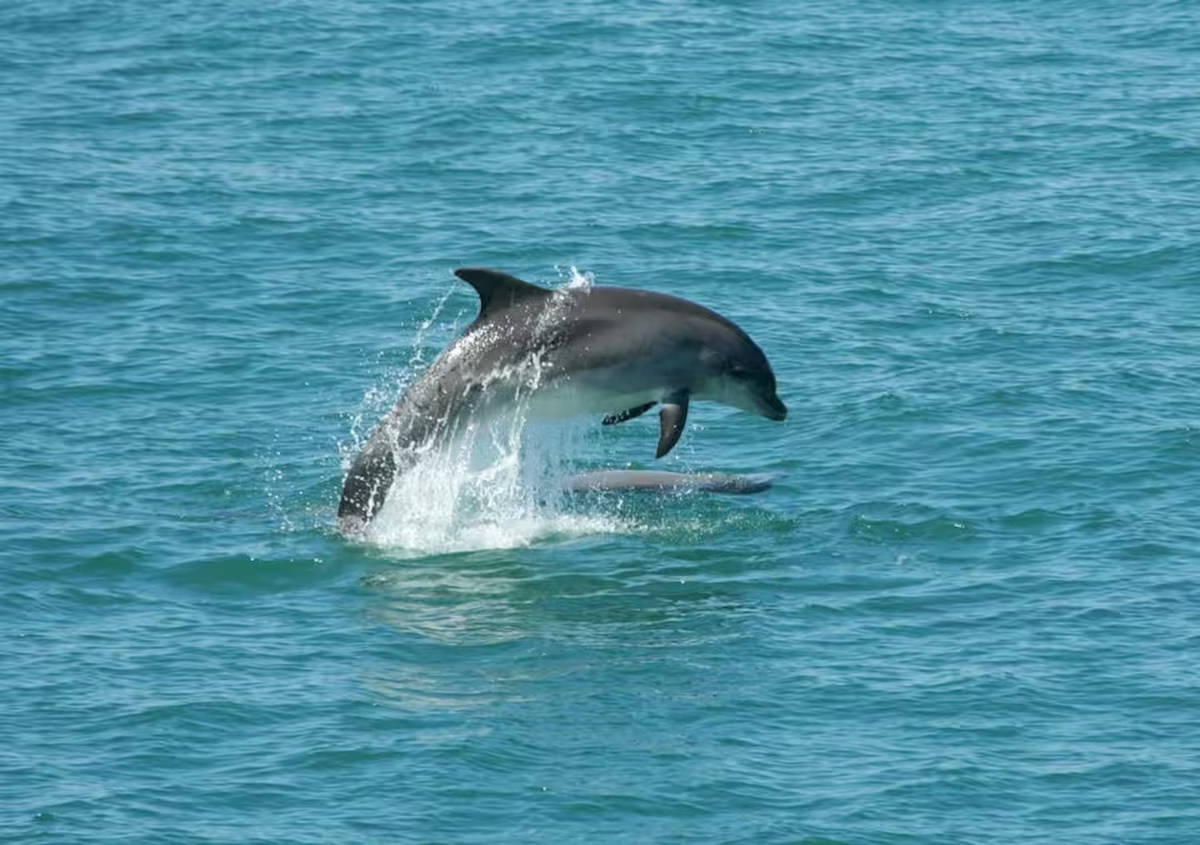
Cardigan Bay's Dolphins
Cardigan Bay is home to one of the largest resident populations of bottlenose dolphins in Europe — an estimated 250 to 300 individuals who live in these waters year-round rather than migrating. This makes the bay one of the most reliable places in the UK to see wild dolphins, and unlike many wildlife encounters, no boat or guided tour is required. From the promenade at Tywyn, the right conditions are often enough.
These are not passing visitors. Cardigan Bay's bottlenose dolphins are a resident community that has used these waters for generations, drawn by rich feeding grounds, calm sheltered seas, and the relative absence of heavy boat traffic compared to other coastal areas. The bay was designated a Special Area of Conservation (SAC) partly in recognition of their presence.
When to See Them
Dolphins can be spotted in Cardigan Bay throughout the year, but your chances vary significantly by season. The summer months — particularly May through September — offer the best combination of calm seas, longer daylight, and active dolphin behaviour close to shore. Numbers tend to peak in late summer, with September and October particularly productive.
Best time of day
Early mornings and late afternoons are the most rewarding times to watch. Dolphins feed actively around high tide as fish shoals are pushed closer to shore, so checking the tide times and positioning yourself on the promenade an hour either side of high tide significantly improves your chances. Calm, bright days with low wind make fins much easier to spot against flat water.
Spotting from the Shore near Tywyn
Our cottages at Four Degrees West and Venedotia sit directly on the Tywyn seafront, with the full sweep of Cardigan Bay visible from the balconies and living areas. Dolphins are regularly spotted from the promenade at Tywyn, particularly during the summer months when they follow fish shoals close inshore. You don't need to go anywhere — a pair of binoculars and a patient eye from the balcony is often enough.
What to look for
- A curved dorsal fin breaking the surface — the most reliable sign, visible from some distance on calm water
- A slow rolling motion as they surface to breathe, typically every few minutes
- Leaping or porpoising behaviour — common when dolphins are actively feeding or playing
- Groups of seabirds diving in the same area — often indicate a fish shoal, and dolphins feeding below
- A ripple or disturbance on otherwise flat water, particularly close to shore at high tide
Further Afield on the Bay
While dolphins can appear anywhere along the Cardigan Bay coast, certain spots along the bay are particularly well known for reliable sightings. New Quay, about 35 miles south of Tywyn, is considered the heart of dolphin watching in Wales — the harbour wall there offers some of the most reliably close views anywhere in the UK, and summer boat trips from the town frequently encounter dolphins within minutes of departure.
The coastline between New Quay and Cardigan — including Mwnt, Aberporth, and Cardigan Island — is another high-sightings area, particularly between June and September. Closer to Tywyn, the stretch of coast between Aberdyfi and Aberystwyth also produces regular sightings during summer, and it's not uncommon to see dolphins from the Aberdyfi shoreline just 5 miles south.
Other marine wildlife to look out for
Dolphins share Cardigan Bay with a rich variety of other marine life. Harbour porpoises — smaller than dolphins, with a low triangular dorsal fin — are a common sight along the whole coastline throughout the year. Atlantic grey seals can often be spotted hauled out on rocky outcrops or swimming in the shallows, and sunfish occasionally appear in the bay during warmer summer months. On rare occasions, Cardigan Bay has also seen minke whales and even orca passing through.
Tips for Dolphin Spotting
- Use binoculars. A decent pair dramatically increases your range — dolphins surfacing 200–300 metres offshore are easily missed by the naked eye but clearly visible through binoculars.
- Check conditions first. Flat, calm seas make fins far easier to spot. Whitecaps and rough water make sightings much harder regardless of how many dolphins are present.
- Time it with the tide. High tide brings fish shoals closer to shore and is generally the most productive time for close-shore sightings. Our tide times widget on the homepage shows today's tides for Tywyn.
- Be patient. Scan the water slowly and systematically rather than looking in one spot. Dolphins surface briefly and may not reappear in the same place.
- Stay quiet on the shoreline. Noise carries across water. Dolphins that feel undisturbed are more likely to remain active close to shore.
- Record your sightings. The Sea Watch Foundation runs a UK-wide dolphin sighting scheme — your records genuinely contribute to conservation monitoring.
Common Questions
What is the best time of day to see dolphins in Cardigan Bay?
Early mornings and late afternoons are the most rewarding times to watch. Dolphins feed actively around high tide as fish shoals are pushed closer to shore, so an hour either side of high tide on a calm, bright day gives the best chance of a sighting.
How many dolphins live in Cardigan Bay?
An estimated 250 to 300 bottlenose dolphins live in Cardigan Bay year-round, making it one of the largest resident dolphin populations in Europe.
Do you need a boat to see dolphins in Cardigan Bay?
No — dolphins are regularly spotted from the shore, particularly from the Tywyn promenade at high tide. A pair of binoculars and a patient eye is often enough, though boat trips from New Quay offer near-certain summer encounters further down the bay.
Is Cardigan Bay a protected area for dolphins?
Yes — Cardigan Bay is a Special Area of Conservation (SAC), designated partly in recognition of its resident dolphin population, and it's illegal to deliberately disturb, injure or kill any cetacean in UK waters.
What time of year is best to see dolphins in Cardigan Bay?
Dolphins can be seen year-round, but May to September offers the best combination of calm seas and active behaviour close to shore, with numbers often peaking in September and October.
Conservation
Cardigan Bay's dolphins are protected under the Wildlife and Countryside Act 1981 and the bay itself is a Special Area of Conservation. It's illegal to deliberately disturb, injure or kill any cetacean in UK waters. If you're watching from a boat, UK guidelines recommend maintaining a distance of at least 100 metres from dolphins and approaching slowly and quietly if they approach the vessel.
The Sea Watch Foundation and the Cardigan Bay Marine Wildlife Centre (based in New Quay) both carry out ongoing research into the bay's dolphin population and welcome public sighting reports. If you spot dolphins during your stay, reporting your sighting helps build the picture of where and when they're active across the bay.